
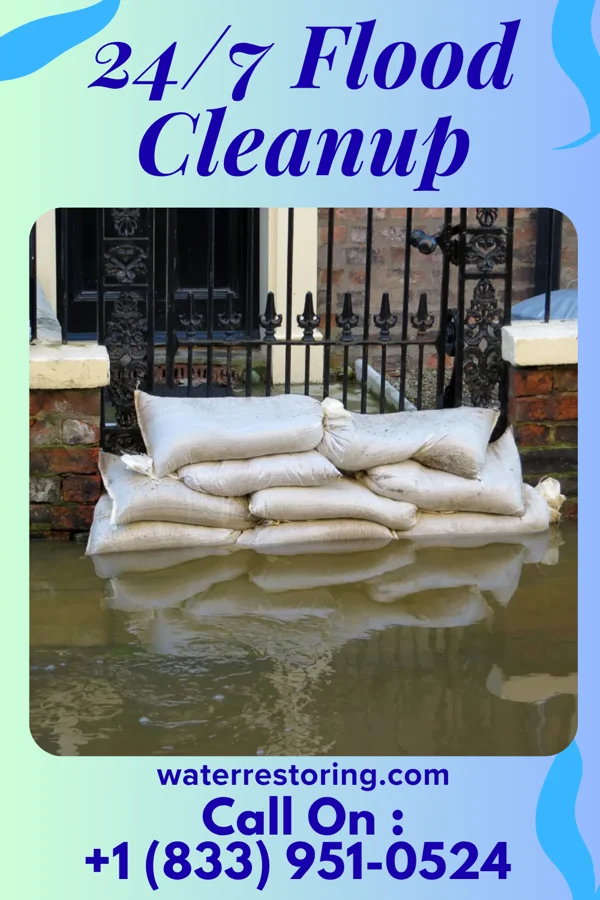
Holiday & Weekend Flood Response in Cheyenne Wells
Most water damage emergencies in Cheyenne Wells start with rapid snowmelt and spring runoff flooding. A close second is flash flooding from summer thunderstorms. From the second water touches the property, every minute changes what gets saved and what gets ripped out.
Cheyenne Wells experiences semi-arid continental climate with significant snowfall in the winter, leading to rapid snowmelt in early spring. The area is also prone to sudden summer thunderstorms that can cause flash flooding, particularly in low-lying areas.
Cheyenne Wells experiences semi-arid continental climate with significant snowfall in the winter, leading to rapid snowmelt in early spring. The area is also prone to sudden summer thunderstorms that can cause flash flooding, particularly in low-lying areas. The dominant local driver is rapid snowmelt and spring runoff flooding, with flash flooding from summer thunderstorms showing up as the next most common cause. Damage builds in stages. Spread. Absorption. Microbial growth. Structural compromise. Every stage you pass through adds to the final bill.